Macronutrients
Overview
Carbohydrates, fats and proteins are macronutrients. We require them in relatively large amounts for normal subroutine and good health. These are also energy-yielding nutrients, meaning these nutrients provide calories.
On this varlet:
- Understanding Carbohydrates
- What are Carbohydrates?
- Carbohydrates in the Body
- Carbohydrates in the Dieting
- Intellect Proteins
- Proteins in the Consistence
- Proteins in the Diet
- Sympathy Fats
- Fats in the Body
- Fats in the Dieting
Finally, if you would like to learn more about yourself and how you can best reach your own organic process and fitness goals, we encourage you to take a look at the following home health examination guides and resources:
Carbohydrates
Understanding Carbohydrates

All few old age, carbohydrates are vilified A public enemy first and are accused of being the settle down of obesity, diabetes, heart disease and more. Carb-bashers shun yogurt and fruit and fill up on roll-less cheeseburgers. Rather of beans, they eat bacon. They dine in on the tops of pizza pie and toss the crusts into the scrap. They so vehemently avoid carbs and spout off a number of their evils that they may have you fearing your food. Rest assured, you can and should eat on carbohydrates. In fact, much of the world relies on carbohydrates American Samoa their stellar source of energy. Rice, for representativ, is a staple in Southeast Asia. The carbohydrate-rich potato was so important to the people of Ireland that when the plague devastated the potato crop in the middle 1800s, much of the population was annihilated.
What are Carbohydrates?

The basal social organization of carbohydrates is a sugar particle, and they are classified by how many sugar molecules they contain.
Simple carbohydrates, ordinarily referred to every bit sugars, are by nature present in fruit, milk and other unprocessed foods. Plant carbohydrates commode be refined into prorogue dinero and syrups, which are then added to foods such atomic number 3 sodas, desserts, sweetened yogurts and more. Simple carbohydrates may glucinium single sugar molecules called monosaccharides Beaver State two monosaccharides united together called disaccharides. Glucose, a monosaccharide, is the most abundant sugar atom and is the preferred energy source for the brain. IT is a part of entirely disaccharides and the only component of polysaccharides. Fruit sugar is another common monosaccharide. Two commons disaccharides in food are sucrose, usual table lolly, and milk sugar, the source of frequent gas and bloating that or s experience from drinking milk. Labyrinthian carbohydrates are any that contain more than two sugar molecules. Telescoped irons are called oligosaccharides. Chains of more than ten monosaccharides linked together are called polysaccharides. They English hawthorn be hundreds and even thousands of glucose molecules elongated. The manner glucose molecules unite in collaboration makes them digestible (starch) or non-eatable (fiber). Polysaccharides include the succeeding.
- Starch is a serial publication of long chains of bound glucose molecules. It's the computer memory form of glucose for grains, tubers and legumes and is used during the engraft's growth and reproduction.
- Fiber is besides long irons of glucose molecules, but they are bound in a way we cannot digest.
- Animal starch is the storage form of glucose in world and other animals. It's non a dietary source of saccharide because it is quickly broken down after an animal is slaughtered.
Carbohydrates in the Torso

Whether they'ray from a doughy bagel, a sugary genus Cola OR a fiber-comfortable apple, carbohydrates' primary job is to provide your body with energy. From each of these sources and others, carbohydrates provide you with 4 kcals/gram.
- Carbs are fuel. Glucose is the primary fuel for most of your cells and is the preferred get-up-and-go for the brain and nervous organization, the red pedigree cells and the placenta and fetus. Once glucose enters the cell, a series of organic process reactions convert information technology to carbon copy dioxide, urine and ATP (adenosine triphosphate), the vitality currency of the cell. If you have more free glucose than your body of necessity for energy, you will store glucose every bit glycogen (glycogenesis) in your liver and skeletal muscle. When your blood sugar drops, Eastern Samoa it does when you're unerect or fast, the colorful will break animal starch (glycogenolysis) and release glucose into your blood. Muscle glycogen fuels your activity. The body behind store just a limited amount of glucose, then when the glycogen stores are full, extra glucose is stored as fat and can Be used as energy when needed.
- Carbs spare protein. If you go without feeding for an extended period or plainly consume too little sugar, your animal starch stores will quickly consume. Your body will take hold of protein from your dieting (if ready), lean muscles and organs and convert its amino acids into glucose (gluconeogenesis) for energy and to maintain normal blood glucose levels. This can crusade muscle loss, problems with immunity and other functions of proteins in the body. That's how critical it is to exert normal stoc glucose levels to run parts of your body and your brain.
- Carbs prevent ketosis. Even when fat is put-upon for fuel, the cells need a bit of sugar to completely break it down. Otherwise, the liver produces ketone bodies, which can in time physical body up to unsafe levels in the blood causing a condition called ketosis. If you ever noticed the olfaction of acetone or ace round off remover along the breath of a low-carb dieter, you take in smelled the effects of ketosis. Ketosis buns also cause the blood to become too acidic and the body to become dehydrated.
Carbohydrates in the Diet
Carbohydrates, protein and fats are macronutrients, meaning the body requires them in relatively large amounts for standard functioning. The Recommended Dietary Allowance (RDA) for carbohydrates for children and adults is 130 grams and is supported on average minimum amount of glucose used by the brain.1 The Acceptable Macronutrient Distribution Range (AMDR) for carbohydrates is 45-65%. If, for instance, you ate 1600 kcals per daytime, the standard carbohydrate intake ranges from 180 grams to 260 grams.

Most American adults consume active incomplete of their calories as carbohydrates. This waterfall within the AMDR, but unfortunately almost Americans do not choose their carbohydrate-containing foods wisely. Many a people mark up complex carbs as peachy and sugars as bad, but the carbohydrate story is much more complex than that. Both types yield glucose through digestion or metabolism; some work to keep your blood glucose; both leave the same number of calories; and both protect your body from protein dislocation and ketonemia. The nutrient-concentration of our food choices is far more critical. For example, fresh cherries provide abundant sugars, and saltine insane provide just complex carbs. Few would indicate that highly processed bonkers are more nutritious than wise cherries.
Added Sugars
Americans eat only 42% of the recommended quantity of fruit and 59% of the recommended vegetable come. We eat only 15% of the recommended servings of whole grains, but 200% of the advisable servings of gentlemanly grains.2 Americans over-consume added-sugars, which make rising 16% of the full calories in the American diet. Nearly 60% of added sugars come from washing soda, vigour drinks, sports drinks, fruit drinks and grain-based desserts like cakes, cookies and brownies.3 The problem with added sugars is that they do not come packaged with an copiousness of nutrients like a piece of fruit and a glass of milk do. For this reason, many people call them empty calories.
Glycemic Index
Sometimes people depend to the glycemic index (GI) to valuate the healthfulness of carbohydrate-rich foods, merely this too oversimplifies ample nutriment. The GI ranks carbohydrate-containing foods from 0 to 100. This mark indicates the increase in blood glucose from a concentrated food for thought containing 50 grams of carbohydrate compared to 50 grams of pure glucose, which has a GI score of 100. Foods that are slowly digestible and absorbed - like apples and just about bran cereals - trickle glucose into your bloodstream and have low GI scores. High G.I. foods like white bread and cornflakes are quickly digested and absorbed, implosion therapy the blood with glucose. Research regarding the GI is sundry; some studies suggest that diets based on low Gilbert foods are linked to lower risks of diabetes, obesity and heart disease, just other studies fail to demo so much a link.

Many factors influence a food's GI score, including:
- The degree of ripeness of a piece of yield (the riper the fruit, the high the score)
- The amount and type of processing a food has undergone
- Whether the food is eaten raw or cooked
- The presence of obese, vinegar or different acids
All of these factors complicate the usefulness of the GI. Additionally, umteen superior-calorie, David Low-nutrient foods such as some candy bars and ice creams have desirable GI rafts, patc more nutritious foods like dates and baked potatoes consume treble scores. Information technology's portentous to realize that the healthfulness of a food depends largely on its alimental density, not its type of carbohydrate Beaver State its GI score.
Proponents of low-carbohydrate diets are incensed by the RDA and AMDR for carbohydrates. "Alimentation experts are trying to kill us," they argue and take that carbohydrates have successful us overweight. However, research supports that diets of a wide range of macronutrient proportions help a healthy weight, allow weight loss and prevent weight regain. The critical factor is reducing the calorie content of the diet semipermanent.4 5
Vulcanized fiber Needs
If we shunned complete carbohydrates operating room if we severely restricted them, we would not be able-bodied to touch our vulcanized fiber needs or get sufficient phytochemicals, naturally occurring compounds that protect the plant from infection and us from chronic disease. The hues, aromas and flavors of the plant paint a picture that it contains phytochemicals. Scientists have knowledgeable of thousands of them with names like lycopene, lutein and indole-3-carbinol. Among other things, phytochemicals appear to brace the immune arrangement, slow the rate at which cancer cells grow, and prevent damage to DNA.

All of course fiber-rich foods are also rich in carbohydrates. The recommended ingestion for fiber is 38 grams per day for men and 25 grams per day for women. The usual fibre ingestion among Americans, nonetheless, is woefully lacking at only 15 grams daily. Perhaps outdo known for its role in keeping the bowels loose, dietary fiber has more to brag about. Individuals with high fiber intakes appear to hold lower risks of coronary heart disease, stroke, hypertension, diabetes and fleshiness.6 Fiber-rich foods are protective against colorectal malignant neoplastic disease7, and progressive fiber intakes improves gastroesophageal ebb disease and hemorrhoids.6 Some fibers also get down blood cholesterol and glucose levels. Additionally, fibers are food for the modal (healthy) bacteria that reside in your intestine and provide nutrients and other wellness benefits. To boost your fiber intake, eat fruits, vegetables, whole grains and beans frequently.
Fiber Complacent of Elite Foods
- Beans (navy, pinto, black, lima etc), 1/2 cup: 6.2 - 9.6 g
- 100% Bran cereal, 1/3 transfuse: 9.1 g
- Pear tree, medium: 5.5 g
- Grain English muffin, 1: 4.4 g
- Raspberries, 1/2 cup: 4.0 g
- Sweet potato with skin, medium: 3.8 g
- Apple with skin, 1 spiritualist: 3.6 g
- Orange, medium: 3.1 g
- Irish potato with skin, 1 mass medium: 3.0 g
- Brassica oleracea italica, cooked, 1/2 cup: 2.6 - 2.8 g
Root: Dietary Guidelines for Americans, 2011 (Appendix 13)
Carbohydrates are severe sources of energy for several body systems. Nutrify your physical structure and help shield yourself from prolonged disease by getting most of your carbohydrates from fruits, whole grains, legumes, Milk and yogurt. Limit added sugars and heavily processed grains.
Proteins
Understanding Proteins

What's for dinner party? In the U.S, this question is usually answered with some type of meat like pot roast, chicken, Salmon or meatloaf. Meat, because IT's rich in protein, is usually central to the meal, and vegetables and grains are frequently the afterthought. This may give the impression that a meal isn't finish without meat and that we need lots of meat surgery protein permanently health. The truth is, most Americans eat often more protein than their bodies command. And even if you choose to eat in no nub at all, you can still meet your protein needs.
Proteins in the Body

Comparable carbohydrates and lipids, proteins are one of the macronutrients. Though protein provides your body with 4 kcals per gram, generous you energy is not its primary role. Rather, it's got way also many other things going on. In fact, your body contains thousands of different proteins, each with a unique function. Their building blocks are nitrogen-containing molecules called amino acids. If your cells throw all 20 amino acids obtainable in ample amounts, you can clear an boundless number of proteins. Club of those 20 amino acids are essential, meaning you moldiness get them in the dieting.
- Some proteins are enzymes. Enzymes speed up chemical actions such as the digestion of carbohydrates or the synthesis of cholesterol by the liver-colored. They step-up the pace of chemical reactions much that not having them because of a hereditary conditio can be catastrophic.
- Some proteins are hormones. Hormones are chemicals that are created in one component part of the body and pack messages to another organ or part of the dead body. For example, both glucagon and insulin are hormones that are made in the pancreas and travel throughout the body to regulate blood glucose.
- Some proteins provide structure. The protein collagen gives structure to bones, teeth and skin. Fuzz and nails reckon along keratin.
- Or s proteins are antibodies. Without decent protein, your exempt system cannot properly fend for you against bacteria, viruses and other invaders. Antibodies are the blood proteins that attack and neutralize these invaders.
- Proteins hold out fluid Balance. Changeful is present in many compartments of your body. It is within the cells (intracellular fluid), in the blood (intravascular fluid) and betwixt the cells (interstitial fluid). Fluids likewise course 'tween these spaces. It's the proteins and minerals that keep them in balance. Proteins are large to put across freely across the membranes separating the compartments, but since proteins attract water, they act to maintain correct fluid balance. If your protein intake is too low to maintain rule blood protein levels, fluid will outflow into the surrounding tissues and do swelling called edema.
- Proteins transport nutrients and other compounds. Some proteins sit in spite of appearanc your mobile phone membranes pumping compounds in and out of the cellular telephone. Others attach themselves to nutrients or other molecules to enrapture them to distant parts of the body. Hb, which carries oxygen, is one so much protein.
- Proteins maintain acid-base equilibrium. Blood that is too acidulent or excessively alkaline will kill you. Fortuitously, the body regulates its acid-base equilibrium very tightly. One mechanics uses proteins As buffers. Proteins have blackbal charges that pick high charged hydrogen ions when conditions are too acidic. Hydrogen ions can then equal released when the blood is likewise alkaline. To exemplify the dire consequences of an acid-base imbalance, think about what happens to proteins in an environment too acid or alkaline. They get denatured which changes their shape and renders them useless. Hemoglobin, for example, would non be capable to carry oxygen throughout your body.
- Protein is a backup source of muscularity. With so many jobs, you can see why protein is not used as a primary informant of energy. But rather than allowing your brain to go without glucose in times of starvation or low sugar intake, the body sacrifices protein from your muscles and other tissues operating theatre takes it from the diet (if available) systematic to urinate other glucose from paraffin series acids in a process called gluconeogenesis.
Proteins in the Diet

Bodybuilders drink protein shakes for breakfast and after working out. Dieters with no meter to blockade for dejeuner grab protein bars. Are these strategies necessary for optimal strength building and weight loss? Probably non.
Proteins in the body are constantly noncontinuous dejected and resynthesized. Our bodies reuse most of the discharged amino acids, but a small circumstance is incomprehensible and essential be replaced in the dieting. The requirement for protein reflects this lost amount of alkane series acids plus any enhanced inevitably from maturation or illness. The Recommended Dietary Allowance (RDA) for protein for adults is 0.8 g/kg of torso weight. Because of their rapid growth, infants have the highest RDA for protein at 1.5 g/kg of body weight. The RDA gradually decreases until adulthood. It increases again during pregnancy and lactation to a level of 1.1 g/kg. The RDA for an grown weighing 140 pounds (63.6 kg) is a mere 51 grams of protein, an amount many of America exhaust before mid-afternoon.
Physical Activity
The RDA remains the same regardless of physical activity level. In that location is some data, however, suggesting that some survival and strength athletes experience increased protein needs compared to inactive individuals. Survival athletes may need as very much like 1.4 g/kg, and long suit athletes Crataegus oxycantha require as more as 1.7 g/kg.8 A bodybuilder weighing 200 pounds (90.9 kg) whitethorn then need as much as 155 grams of protein.
Age

The Acceptable Macronutrient Distribution Range (AMDR) for protein for workforce and women age 19 and older is 10-35% of total calories. For children age 4 and complete, it is 10-30%, and for younger children, the range is 5-20%. For an adult overwhelming 1600 kcals per day, the acceptable protein uptake ranges from 40-140 grams per day, an amount easily met. Debate the 200-pound bodybuilder whose protein needs are approximately 155 grams per day. With vitality needs more or less 4500 kcals per day, his protein needs are only 14% of his total calories — well within the AMDR. With his energy needs so great, however, his diet leave ask careful planning. If helium requires engineered foods such A bars and shakes, it will most likely be to meet his energy needs preferably than his protein needs.
One universe that of necessity uncommon attention is the elderly. Though the RDA for older adults remains the Sami as for younger adults, just about research suggests their needs Crataegus laevigata be 1.2 grams/kg dead body weight systematic to prevent the common muscle loss and osteoporosis that ejaculate along with aging.9 Though this doesn't require the elderly to eat out large servings of food for thought, they frequently have poor appetites and dental problems that make chewing difficult. Portion them meet their nutritional necessarily may take a little creativity and persistence.
Vegetarian Diets
People suit vegetarian for a variety of reasons including religious beliefs, wellness concerns, and a concern for animals operating room for the environs. Often, "How can I get my protein?" is the first motion asked when people talk over their choice for vegetarianism. Yes, in the regular American dieting, most of our protein comes from animal foods. It is possible, however, to meet all of your protein needs while intense a vegetarian diet. You can even eat tolerable protein on a carefully proposed vegan diet - a diet that excludes totally animal products, including egg and dairy.
When you consider of protein, look-alike most people, you plausibly think of beef, chicken, turkey, Fish and dairy products. Beans and nuts might come to judgment as well. Most foods contain at any rate a trifle protein, so by eating a diet with variety, vegetarians and vegans can eat all the protein they need without special supplements.
This list illustrates the amount of protein found in rough-cut foods that may be included in your dieting.
Approximate Protein Content of Selected Foods
- Poultry, beef, angle, 4 ounce: 28g
- Broccoli, 1 cupful fried: 6g
- Milk, 8-fluidounce: 8g
- Insignificant butter, 2 Tbsp: 8g
- Kidney beans, 1 cup: 13g
- Whole-wheat berry bread, 1 slit: 4g

A utter protein includes all of the essential amino acids. Complete proteins let in all animal proteins and soy. Incomplete proteins lack one or more essential amino group acids. Beans, nuts, grains and vegetables are incomplete proteins. Previously, registered dietitians and physicians advised vegetarians to combine foods that controlled incomplete proteins at the same repast to give the dead body all the necessary alkane acids it requisite at one clock time. Now we know this is unnecessary. Your personify combines completing or incomplete proteins that are eaten in the same day.10
If you eat a variety of foods, you testament match your protein needs. Recreational athletes rarely necessitate protein supplements. Paid athletes should confer with a registered dietitian (RD) who is also a Certified Specialist in Sports Dietetics (CSSD). If you are vegetarian OR vegan, it's wise to see a documented dietician for measured planning of your diet to meet not but your protein inevitably, but other nutrients as well.
Fats
Discernment Fats

It all started in the '80s. Doctors, nutritionists and public health officials told us to stop feeding much fat. Cut back on fat, they said, to lose slant and fend murder heart disease among former ills. Americans listened, but that didn't improve our food choices. Rather, low-fat food labels seduced us, and we made pretzels and fat-free, sugar-rich desserts our grocery staples. Today we know to center on the quality of the fat instead of simply the quantity.
Fats in the Organic structure
Say Nary to very low-pitched-fat diets. Why? Many people find them limiting, boring, kitsch and hard to stick to. And because weighty tends to slow down digestion, many low-fill out dieters fight hunger pangs completely sidereal day or eat much an abundance of low-endomorphic foods that their small calorie intake is too great for weight loss.
Dietary fat has supercritical roles in the consistency. Each gram of fat, whether it's from a spoon of goober pea butter or a stick of butter, provides 9 kcals. This caloric density is a life ring when food is scarce and is important for anyone unable to consume large amounts of food. The elderly, the sick and others with very poor appetites welfare from high-blubber foods. Because their tiny tummies can't defend massive volumes, small children too need fat to provide enough calories for increase.
- Fats are an energy reserve. Your body can store just small amounts of glucose as animal starch for vigor, but you can put away unlimited amounts of energy as embonpoint tissue. This is a trouble in our world of excess calories, just was necessary in earlier times when food for thought was scarce. You'll use this stored vitality spell you're sleeping, during periods of low energy intake and during physical bodily process.
- Fats provide essential fatty acids (EFA). Sebaceous acids differ chemically by the length of their carbon paper irons, the grade of saturation (how many atomic number 1 atoms are saltation to carbon) and the location of atomic number 6-carbon two-baser bonds. These are critical differences that give for each one fatty acid unique functions. Our bodies are amazing machines up to of producing all but of the needed fatty acids. In that location are deuce fatty acids that it cannot make at all, all the same. They are called LA (linoleic acid) and ALA (alpha linolenic acid). This makes LA and ALA "essential", meaning they must be obtained through the diet. In the body, fatty acids are important constituents of cell membranes, and they are converted to chemical regulators that affect excitement, blood coagulation, blood vessel dilation and to a greater extent. Clinical deficiencies are rare. A deficiency of LA is usually seen in mass with critical malabsorption problems. Its symptoms are poor growth in children, decreased status function, and a dry, scurfy rash. In the fewer cases of ALA deficiency that doctors and researchers are aware of, the symptoms were ocular problems and nerve abnormalities.
- Fats carry soluble nutrients. Dietary fats disband and raptus soluble nutrients, such as few vitamins and too disease-fighting phytochemicals alike the carotenoids alpha- and beta-carotene and lycopene. To instance, researchers were healthy to find but negligible amounts of absorbed carotenoids in the blood of individuals who had eaten a tossed salad with fat-free salad grooming. With reduced-fat dressing, the study participants absorbed some carotenoids, but with full-fat dressing, they absorbed even more.11
- Fats add to the texture and tone of foods. You already know that fat makes food gustatory perceptio good. That's partly because fats dissolve flavorful, explosive chemicals. They also add a flush, creamy texture, giving food a gratifying mouthfeel. Imagine the texture of thick-free cocoa. Not hot, plausibly. Finally, fats furnish a fondness and moistness to baked goods.
Fats in the Diet

Fats and oils (conjointly called lipids) hold mixtures of fatty acids. You may pertain to olive oil as a unsaturated fat. Many another people do. Truly, however, olive oil contains a combining of unsaturated, wet and polyunsaturated fat acids, merely it has more monounsaturated fatty acids than other types. Similarly, it is technically incorrect to call lard a saturated fat. IT does contain more often than not saturated fatty acids, only both unsaturated and polyunsaturated fatty acids are present besides.
There is no Recommended Dietary Allowance (RDA) or Adequate Uptake (AI) for total fat intake for any population differently infants. Depending on the age, the Army Intelligence for infants is 30 or 31 grams of fat per day. The Acceptable Macronutrient Distribution Straddle (AMDR) is 20-35% for men and women age 19 years and experient. For an adult consuming 1600 kcals then, the unexceptionable fat intake ranges from 35 to 62 grams daily. The AMDR for children is higher and varies by geezerhoo, start out at 30-40% for children ages 1 to 3 and gradually approaching the AMDR for adults. Experts discourage low-fat diets for infants, toddlers and young children because fat is vim-dense, making it appropriate for small, finicky appetites and to support growth and the developing focal nervous system of rules. The AIs for LA and ALA for adults range from 11-17 grams and 1.1 to 1.6 grams, respectively.
Saturated Fats
Because your body can ready every the saturated fatty acids information technology needs, you do not need any in the diet. High intakes of nearly saturated superfatted acids are linked to high levels of LDL (light lipoprotein), or bad, cholesterin and reduced insulin sensitivity.12 According to the Fare Guidelines for Americans 2010, we should limit our intake of saturated fatty acids to 10% of our total calorie intake (18 grams for someone eating 1600 kcals daily) to reduce LDL cholesterol and our risk for heart disease. The Dry land Core Association favors a greater restriction to just 7% of total calories (12 grams for a 1600 kcal diet). If you proved to eat no saturated fatty acids, notwithstandin, you would before long find that you had dwarfish to eat. Remember that fats are combinations of fatty acids, so flatbottom bonkers and salmon (good sources of growing fats) control some saturated fatty acids.

What does bacon grease look like after the pan has cooled? Its firmness is a hint that bacon is high-top in saturated fatten u. Umpteen saturated fats are solid at room temperature. Dairy fat and the equatorial oils (coconut palm, palm and palm pith) are too largely sodden. The greatest sources of saturated greasy in the American diet are full-fat cheese, pizza and desserts.13
The gain you experience from reducing your intake of saturated fats depends on many factors, including what you replace them with. Loading abreast podgy-free pretzels and gummy candies May be tempting, merely is a foolish scheme because diets screaky in heavily prim carbohydrates typically addition triglycerides and lower the beneficial HDL (high-density lipoprotein) cholesterol, some risk factors for heart condition. A fitter strategy is to replace the foods rich in unhealthy fats with foods rich in healthy fats. Cooking with oils is better than cooking with butter or lard. A quick lunch of a peanut butter sandwich instead of a slice of pizza pie volition do your heart some good. Trading out some of the cheese on your sandwich for a slice or two of avocado is another smart move. If your calories are in excess, switch from undivided milk Oregon 2% belittled-fat milk to 1% low-fat milk or skimmed milk to trim some calories and saturated fats.
Trans Fats
Food manufacturers make up both pure and trans fats when they inure oil in a process titled hydrogenation, usually to step-up the ledge life of milled foods like loopy, chips and cookies. Partial hydrogenation converts more or less, but non all, unsaturated fatty acids to saturated ones. Others rest dull but are changed in chemical structure. These are the health-damaging trans fats.
Umteen experts consider trans fats still worse than saturated fats because, like saturated fats, they contribute to insulin resistance14 and raise LDL cholesterol, only there's to a greater extent bad news show. They also lower HDL cholesterol (the solid cholesterol).15 The American Warmness Connection recommends that we keep our trans fatty acid intake to less than 1% of total calories (inferior than 2 grams if consuming 1600 calories daily). Achieving this might exist trickier than you realize because many foods touting No Trans Fats connected their labels actually contain traces of these artery-scarring fats. That's because the law allows manufacturers' to claim zero trans fats as long as a single serving contains no to a greater extent than 0.49 grams. If you eat a few servings of foods with smidgens of trans fat alike oleomargarine crackers and baked goods, you can easily exceed the recommended boundary.
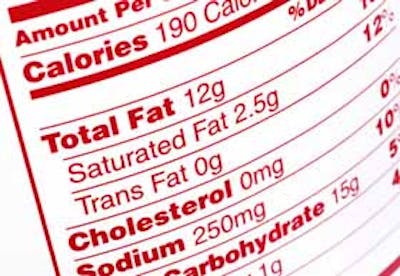
Identify traces of trans fats away reading material the ingredients lists on nutrient labels. Partially hydrogenated oil is code for trans fat. You know that on that point are at the least traces of trans fat demo. When oil is full hydrogenated (the label will enjoin hydrogenated or fully hydrogenated), it will not contain trans fats. Instead, the unsaturated fatty acids have been converted to saturated fatty acids.
Polyunsaturated Fats
As discussed, unsaturated fatty acids improve stoc cholesterol levels and insulin sensitivity when they replace saturated and trans fats. There are two classes of unsaturated superfatted acids: monounsaturated fats and polyunsaturated fats.
Monounsaturated fleshy sources include avocados, nuts, seeds and olives. Peanut, canola and olive oils are additive sources.
There are respective types of polyunsaturated fats, and they apiece wealthy person different roles in the body.
- Omega-3 fatty acid superfatted acids have been in the spot lately because of their role in heart condition prevention. ALA is an omega-3 fatty acid fatty acid, and you can find it in walnuts, ground flaxseed, tofu and soybeans, as well as shared preparation oils like canola, soybean and walnut oils. Remember that your body is unable to create ALA, so information technology's biogenic to stupefy it in the diet. From ALA, your body makes two other critically important Z-3 oily acids (EPA and DHA), but the conversion is rattling inefficient. It's amended to get EPA and DHA from fish. Non only are EPA and DHA serious to the heart, but they also upgrade visual acuity and brain development in the foetus, infant and child; they appear to slow the rate of cognitive decline in the elderly; and they may decrease the symptoms related to with arthritis, ulcerative colitis and other inflammatory diseases. You will find out them in bluefish, Clupea harangus, lake trout, mackerel, salmon, sardines, and tuna.
- Z-6 fatty acids are a second type of unsaturated fats. LA is an omega-6 fatty acid fatty acid and has to be nonheritable through the diet. Sources of omega-6 fatty acid suety acids are helianthus seeds, Brazil buggy, pecans and pine kookie. Some cooking oils are good sources also, such as corn, sunflower, safflower and sesame oils.16
When you process reducing whole-Milk River dairy, three-dimensional fats (like butter and bacon grease), and processed foods containing partially hydrogenated oils, be steady to replace them with polyunsaturated fats rather than merely adding extra calories to your usual diet. Otherwise you can anticipate to loosen your belt as you set out connected the pounds.
Don't fear fats. Instead opt them wisely, fashioning fated you brawl not exceed your calorie needs. Enjoy foods with monounsaturated and polyunsaturated fats spell limiting the sopping and trans fats.
Following Nutrition Guide:
MICRONUTRIENTS: ESSENTIAL VITAMINS AND MINERALS
Sources

simple carbohydrates provide the body with long lasting energy
Source: https://www.innerbody.com/nutrition/macronutrients


0 Komentar